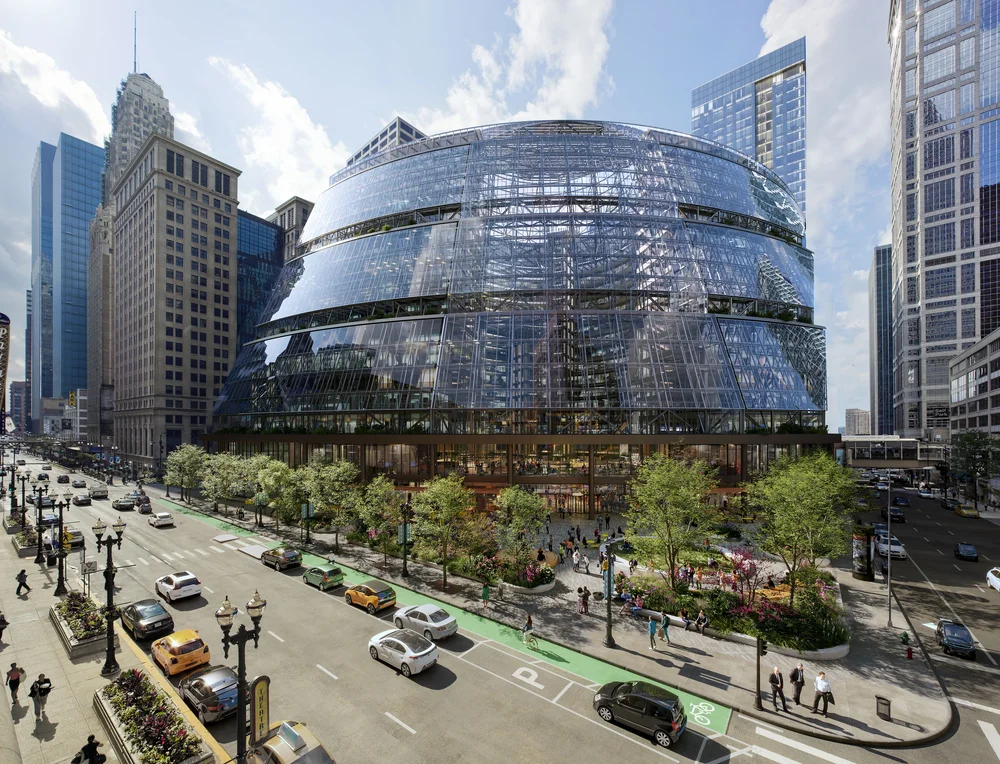
Google’s Chicago Headquarters Renovation
This ambitious ongoing redevelopment transforms Chicago’s iconic James R. Thompson Center into a modern, sustainable hub for Google. Originally designed by Helmut Jahn, the renovation honors the building’s historic post-modern architecture while completely reimagining the plaza and interior spaces. It focuses on upgrading the building’s energy efficiency and creating a dynamic, collaborative environment that meets the demands of a modern tech workforce.
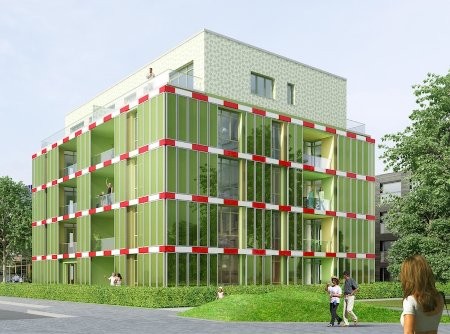
Alveolar Living Pavilions
Pioneering the concept of “living architecture,” this project by Splitterwerk Architects utilizes groundbreaking “BIQ algae facade panels.” The building features ETFE-enclosed panels filled with water and microalgae. As the algae grow in the sunlight, they provide dynamic shading for the building’s interior while generating biomass and capturing solar heat, which can then be harvested and converted into renewable energy.

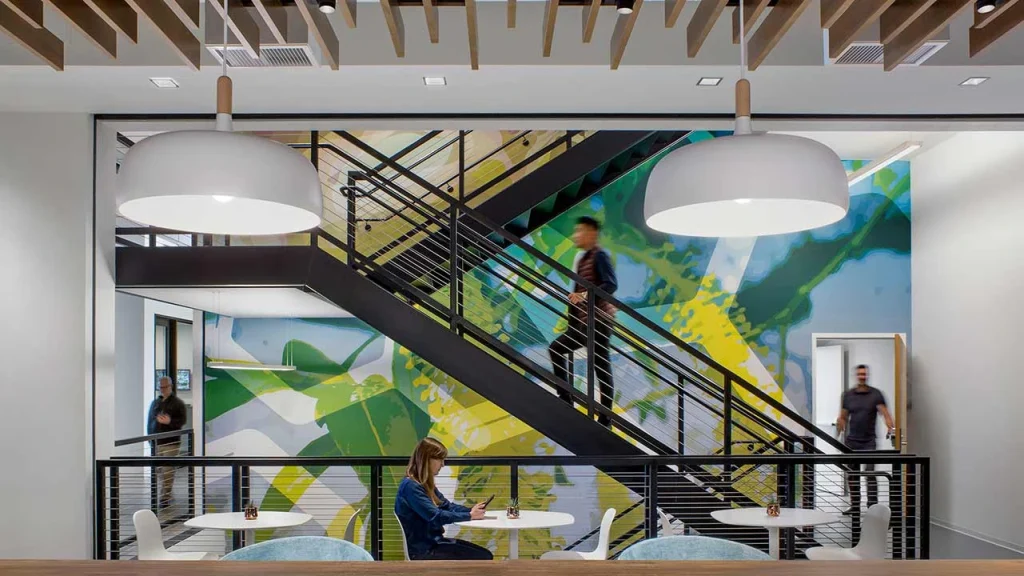
Etsy New York Headquarters
Designed by Gensler, Etsy’s headquarters in Brooklyn redefines the creative corporate workspace with a deep commitment to sustainability and biophilic design. The interior is characterized by sweeping, dynamic ramps and extensive integration of nature, including green walls and natural light. This approach not only minimizes the environmental footprint but also actively promotes employee well-being, creativity, and spontaneous collaboration.
AstraZeneca Lab and Office Facility
Located in San Francisco and designed by the architectural firm HOK, this state-of-the-art facility serves as a major life sciences hub. The design is anchored by a stunning, light-filled central atrium that visually and physically connects different departments. By blending highly technical, secure laboratory environments with open, flexible office spaces, the facility is engineered to foster communication and accelerate scientific innovation.
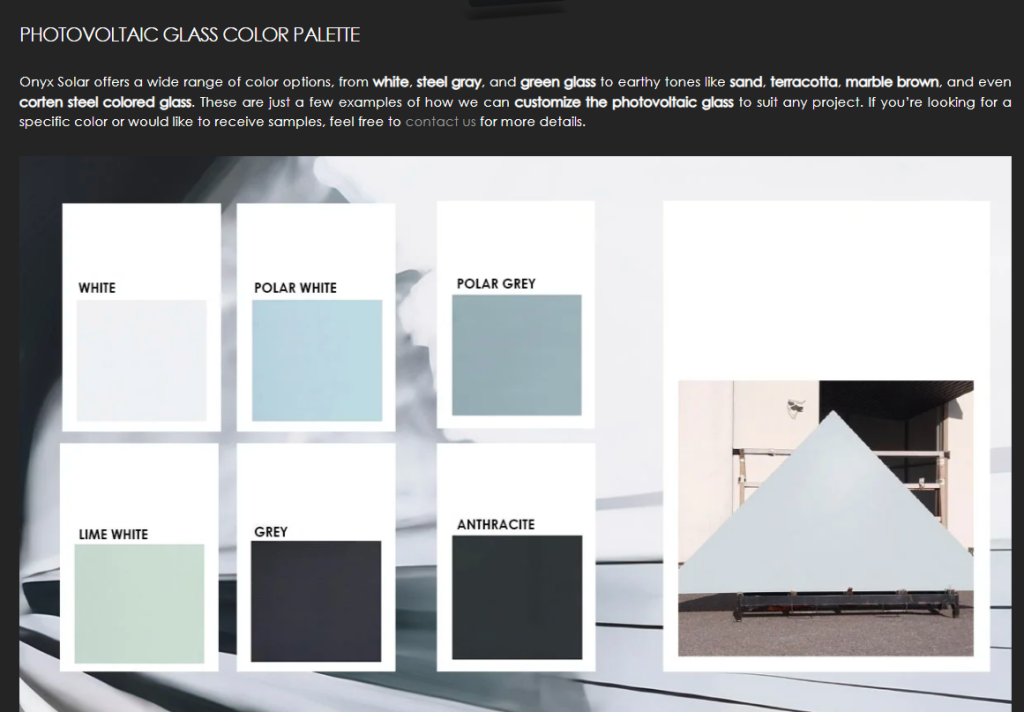
Photovoltaic Glass Color Palette
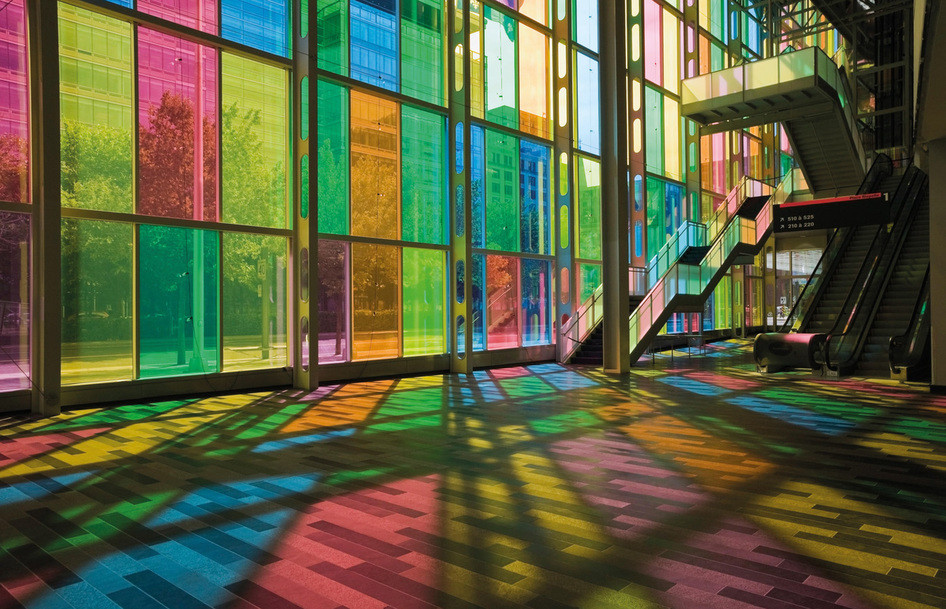
Developed by Onyx Solar, this building-integrated photovoltaic (BIPV) technology revolutionizes how architects approach solar energy. Instead of standard, visually intrusive solar panels, this system offers a customizable palette of colored photovoltaic glass. It allows designers to seamlessly integrate energy-generating materials into a building’s facade, canopy, or skylight, perfectly balancing striking architectural aesthetics with active clean energy generation.
Parasolar PV Louvers
These innovative photovoltaic shading louvers, another breakthrough by Onyx Solar, offer a highly effective dual-purpose architectural solution. Installed on building exteriors, they act as an active brise-soleil system, mitigating solar heat gain and reducing the reliance on artificial cooling. Simultaneously, the louvers capture direct sunlight to generate renewable electricity, significantly boosting the building’s overall energy performance.
OnyxSolar’s Complex Mixed PV System
This system showcases the advanced capabilities of modern building-integrated photovoltaics. By utilizing a complex, mixed approach, Onyx Solar integrates varied BIPV solutions—ranging from transparent solar glass to specialized opaque panels—across multiple surfaces of a single structure. This comprehensive method maximizes the total surface area available for energy capture while maintaining a unified and modern architectural vision.
Solar Visuals
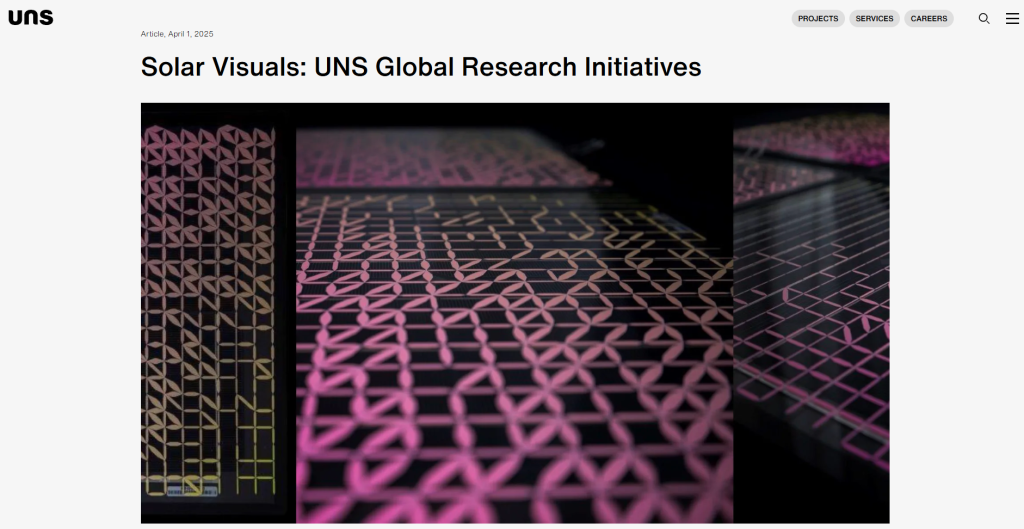
Developed through a collaboration between UNStudio and UNSense, Solar Visuals transforms energy generation into an aesthetic feature. The project utilizes innovative, printable photovoltaic (PV) films that can be customized with various colors, patterns, and graphics. This allows architects to clad buildings in visually engaging designs that still operate as highly efficient solar energy generators, proving that sustainability does not have to compromise artistic vision.
Tesla Solar Roof
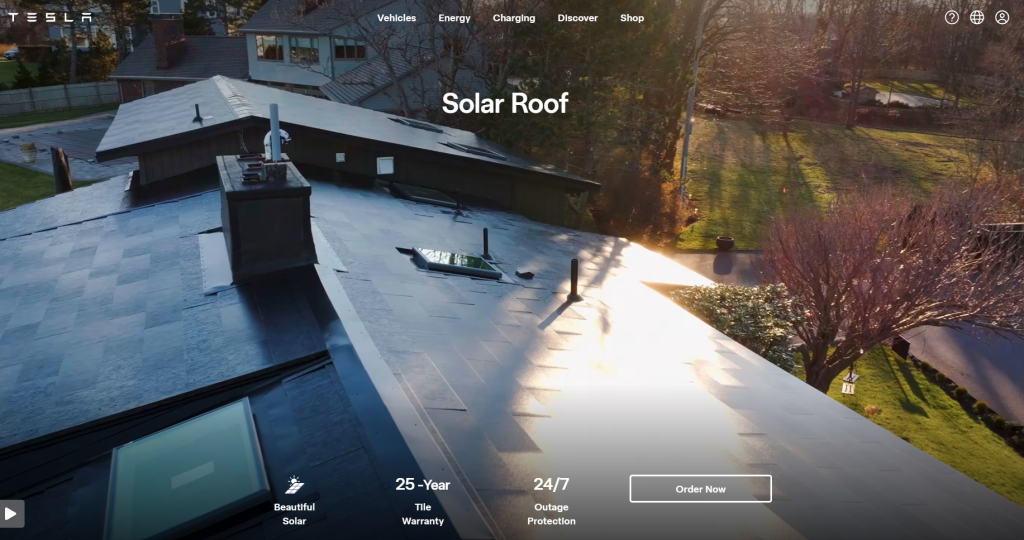
The Tesla Solar Roof completely reimagines residential and commercial solar integration by replacing traditional, bolt-on solar panels with energy-generating roofing tiles. Engineered for extreme durability and weather resistance, these high-tech tiles mimic the sleek appearance of standard roofing materials like slate or terracotta. The result is a seamless, highly aesthetic roof that quietly powers the property with renewable energy.
Bauder Mixed PV-Green Roof
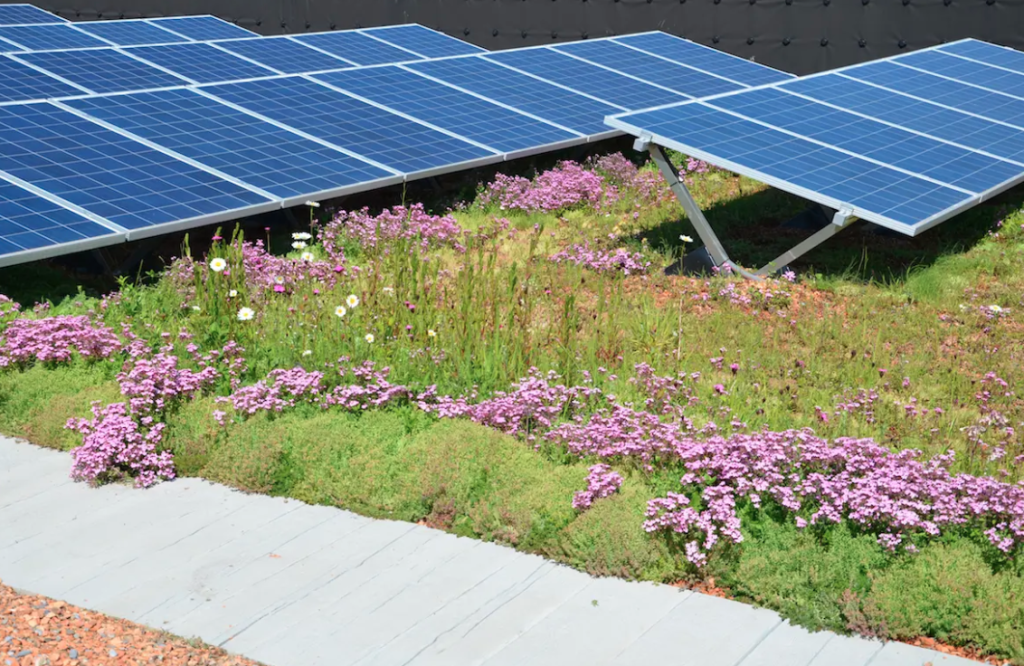
The Bauder BioSOLAR system represents a brilliant synergy between ecology and technology by merging photovoltaic energy generation with a living green roof. The vegetation actively cools the ambient temperature on the roof, which prevents the solar panels from overheating and thereby increases their electrical output. In return, the shadow cast by the panels creates diverse microclimates, supporting a richer variety of plant and insect life.
Solar Ivy
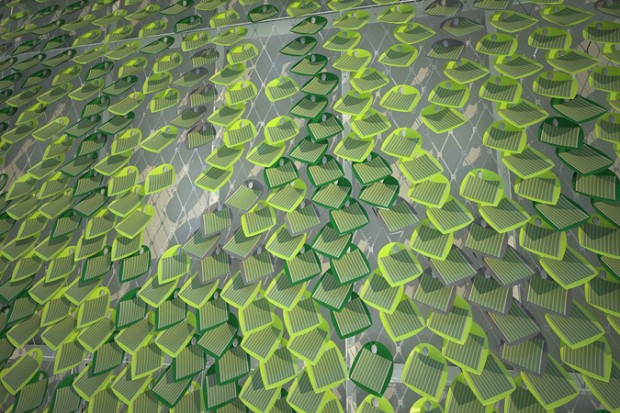
Developed by SMIT, Solar Ivy is an innovative, modular photovoltaic system designed to mimic climbing vines. Instead of rigid panels, it uses flexible, leaf-shaped solar units attached to a customizable wire mesh. These “leaves” easily drape over building surfaces, generating renewable energy while also acting as an active shade screen to regulate temperatures.
CU-PV Project: Sustainable Photovoltaic Modules (Cradle-to-Cradle)
This EU-funded project focused on creating highly sustainable, silicon-based solar modules using a circular, “cradle-to-cradle” approach. The initiative aimed to reduce the energy used in manufacturing, replace toxic materials like lead and silver with alternatives like copper, and maximize the end-of-life recyclability of the panels.