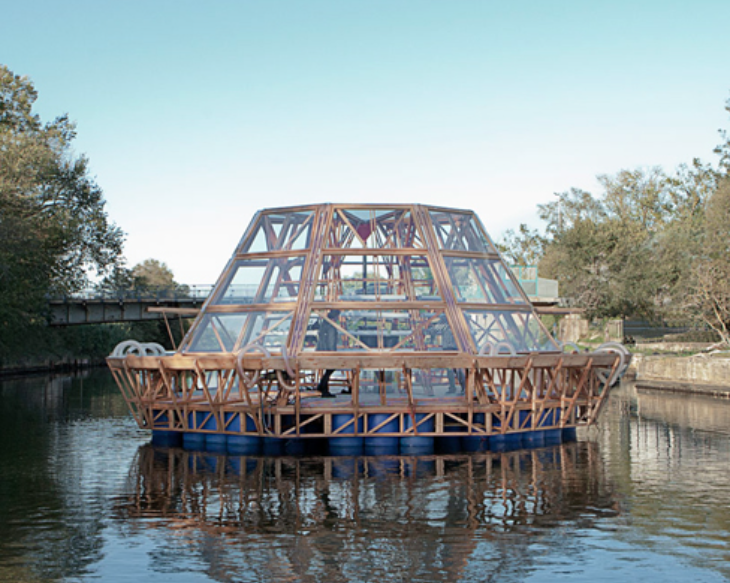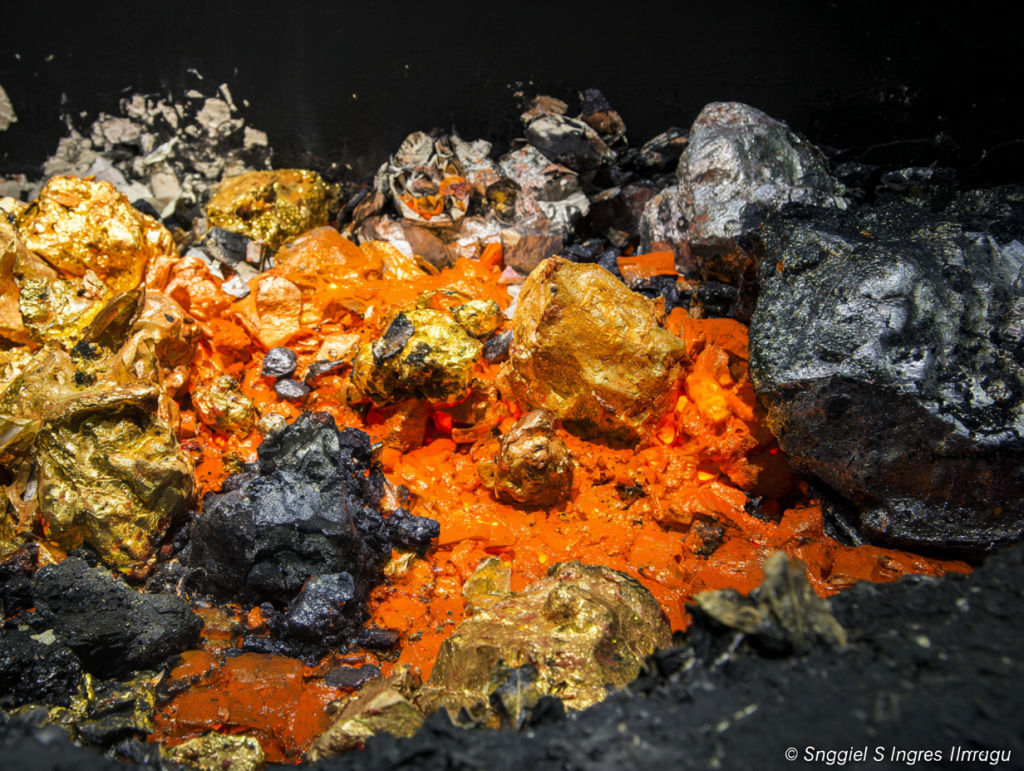
PlasmaRock: The “Waste of Wastes”
Concept and Origin: Created through a chemical process called plasma gasification, PlasmaRock represents the transformation of solid waste into gas at extreme temperatures (up to 1500°C). Artist and researcher Inge Sluijs, through her project “The Rebirth of Waste,” views landfills as “mines” or viable economic resources.
BituBlocks & Blue Planet: Carbon-Negative Concrete
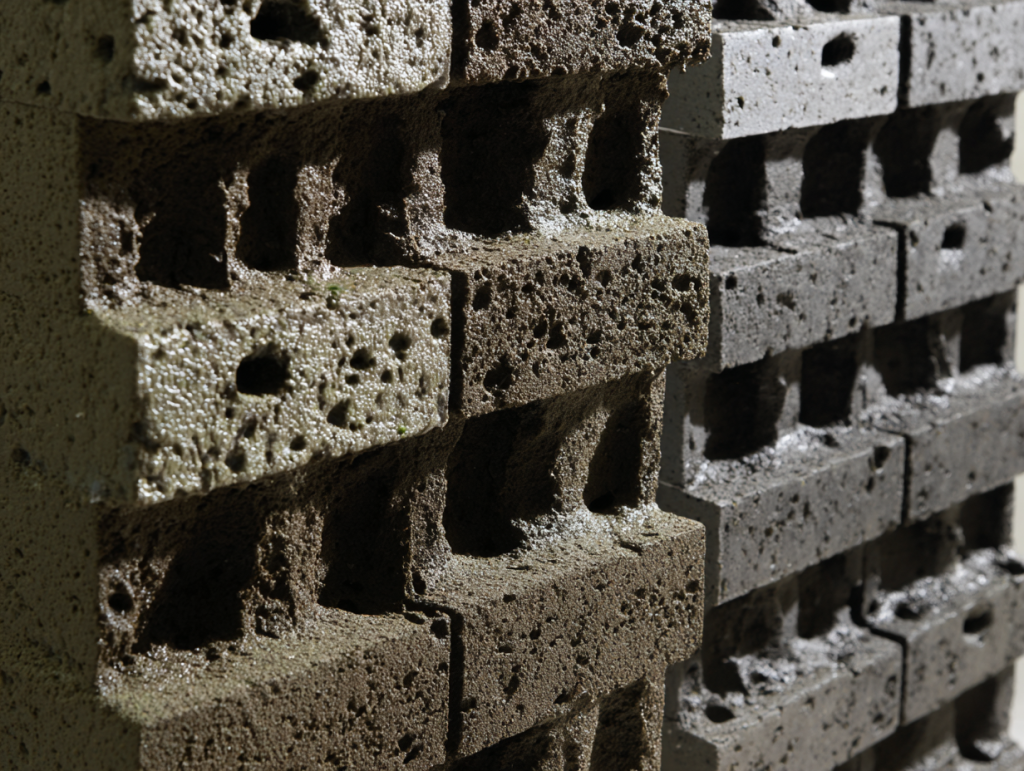
BituBlocks: Developed by John P. Forth at the University of Leeds, England, this material is designed as a sustainable alternative to traditional concrete blocks.
Composition: Made from recycled glass waste, sewage sludge, and incinerator ash.
Performance: It requires significantly less energy to produce than standard concrete and exhibits higher resistance.
EcoCradle (Ecovative): Grown Insulation
The Paradigm Shift: EcoCradle represents a move away from traditional manufacturing toward growing materials. This technology uses agricultural by-products to create compostable and biodegradable packaging and insulation
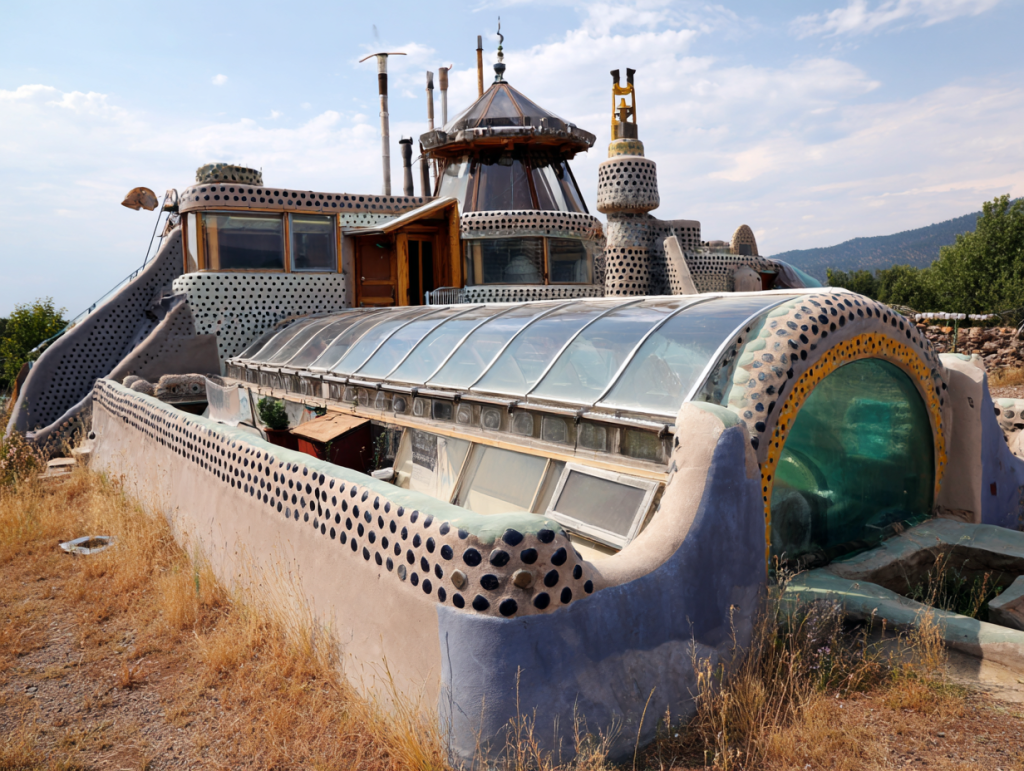
Earthships: The “Archiculture” Model
Architectural Autonomy: Developed by Michael Reynolds, Earthships (or “land ships”) are buildings designed to be completely off-grid. They integrate passive systems for water harvesting, sewage treatment, and climate control.

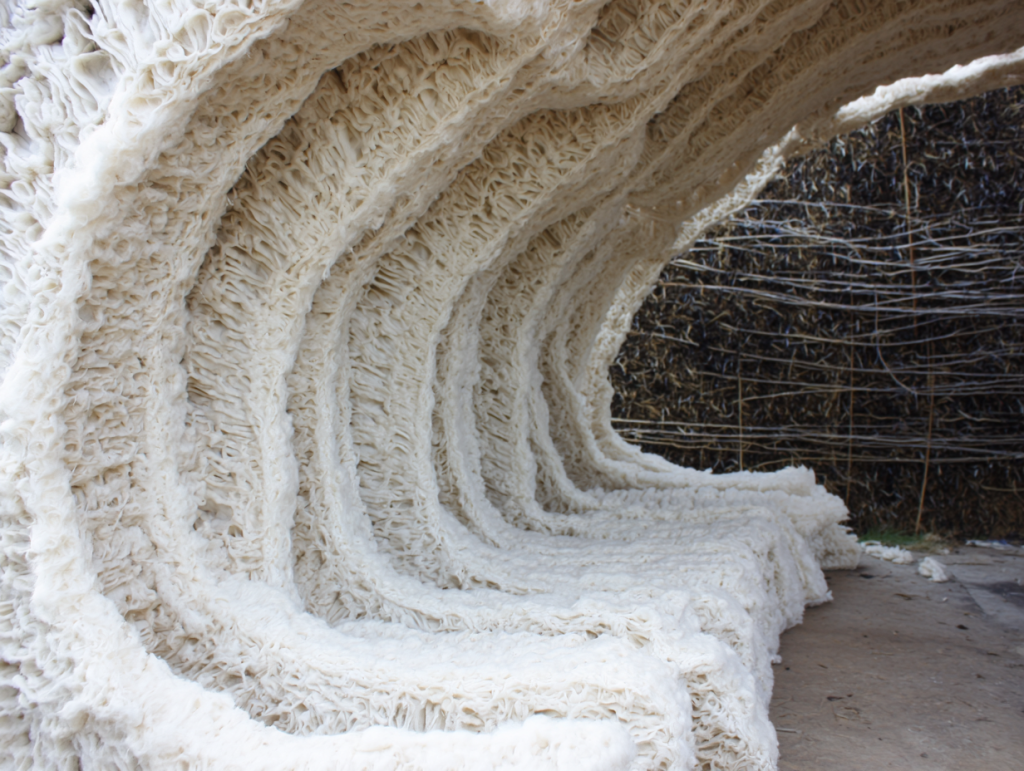
Fungi and Mycelium Walls
The Vision of Paul Stamets: According to world-renowned expert Paul Stamets (Fungi Perfecti), mushroom cultivation is a “significant tool for restoring, replenishing, and remedying Earth’s overburdened ecosphere.” Mycelium—the fibrous root structure of fungi—is viewed not just as a material, but as a healing agent for ecosystems, addressing resource depletion and toxic environmental release .
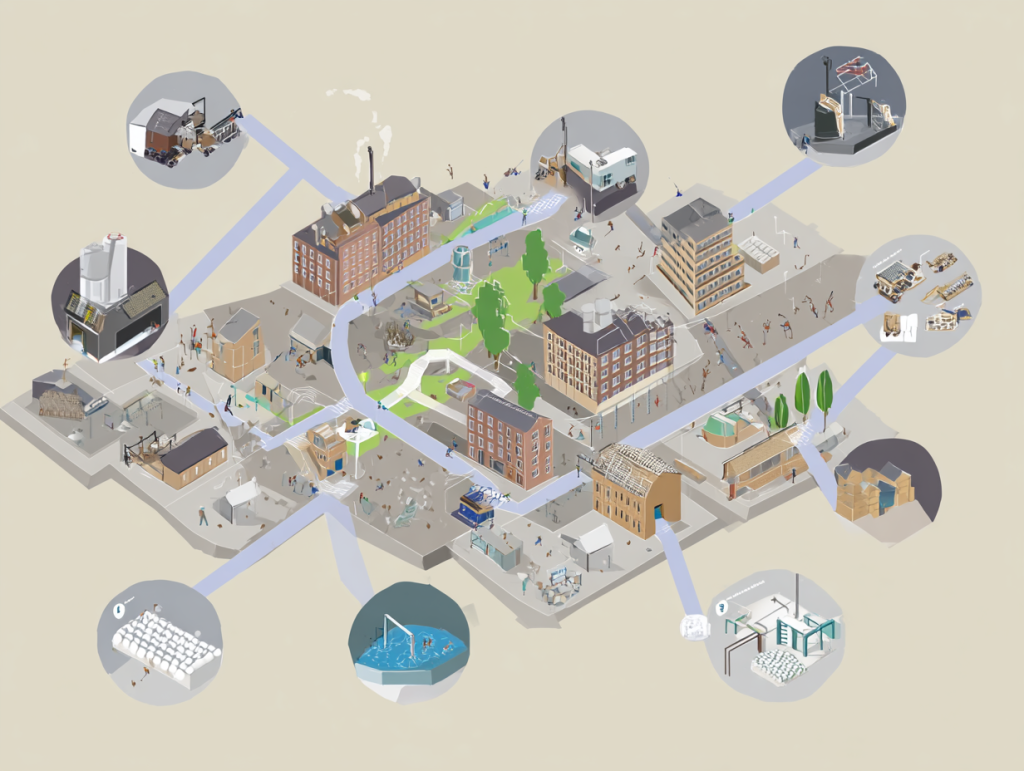
Kalundborg Industrial Symbiosis – Urban-Scale Circularity
The Model of Urban Resilience: The circular scheme of the Danish city, Kalundborg, serves as a global benchmark for industrial ecology. While it appears to be a purely economic model, it deeply integrates local economy with social urban aspects and environmental protection. It represents a shift from traditional industrial production to a state of cohabitation, interdependence, and resilience.
Designed to retrofit existing buildings, these dynamic louvers track the sun to provide optimal interior shading. They simultaneously generate solar power, significantly reducing the building’s cooling load and energy dependency.
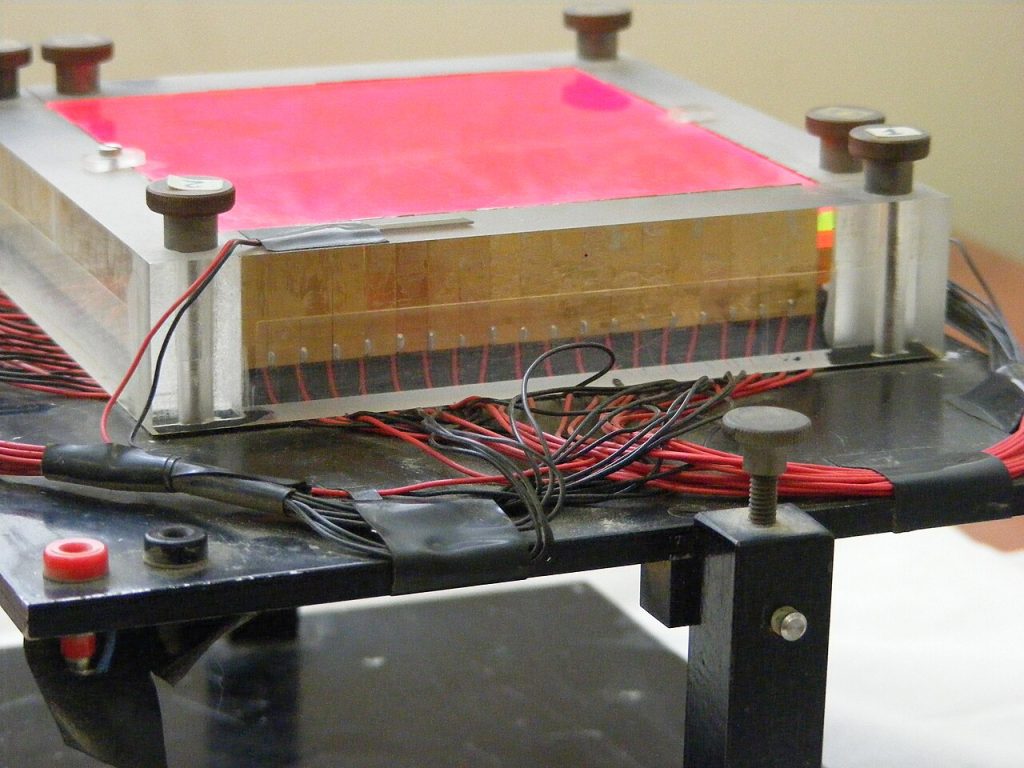
Luminescent Solar Concentrators (LSCs) are innovative devices that capture sunlight over a large area and concentrate it for photovoltaic conversion.
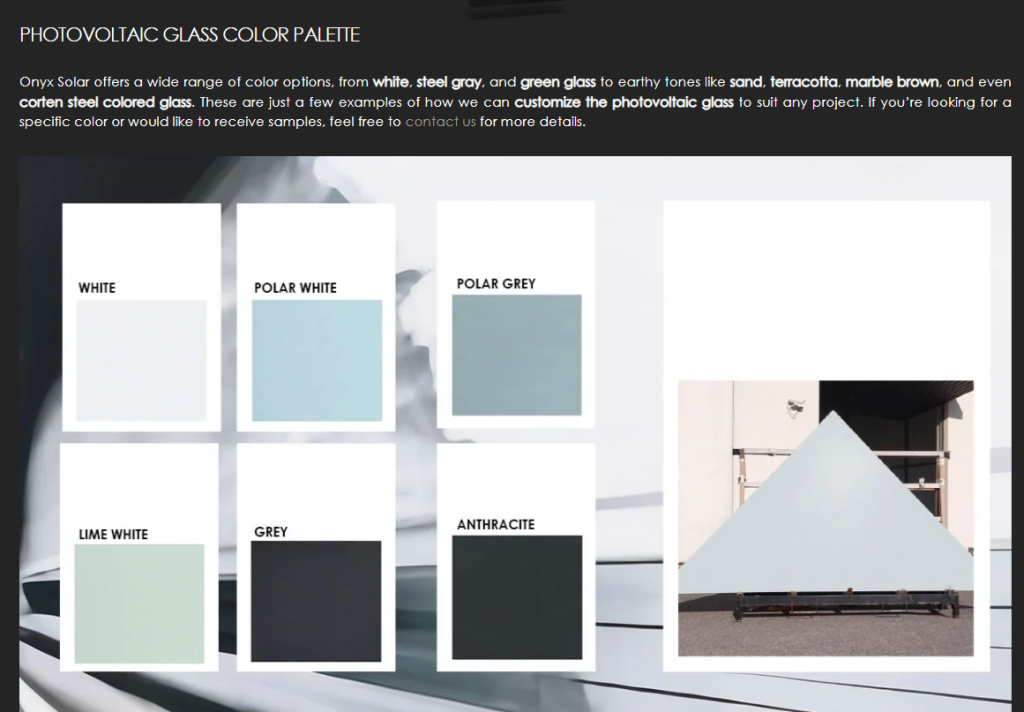
Photovoltaic glass color palette
Photovoltaic glass offers customizable color palettes that balance aesthetics with energy efficiency in building-integrated photovoltaics (BIPV). Leading manufacturers like Onyx Solar provide 16 fade- and scratch-resistant colors, including neutrals and earth tones.
Solar Visuals
Solar Visuals refers to an innovative Dutch company specializing in aesthetically customizable solar façade panels that integrate photorealistic designs, colors, and patterns directly into photovoltaic modules. These building-integrated photovoltaics (BIPV) enable architects to create energy-generating facades without compromising visual appeal, using patented printing techniques on panels produced with partners like AGC Europe, ISSOL, and Soltech.
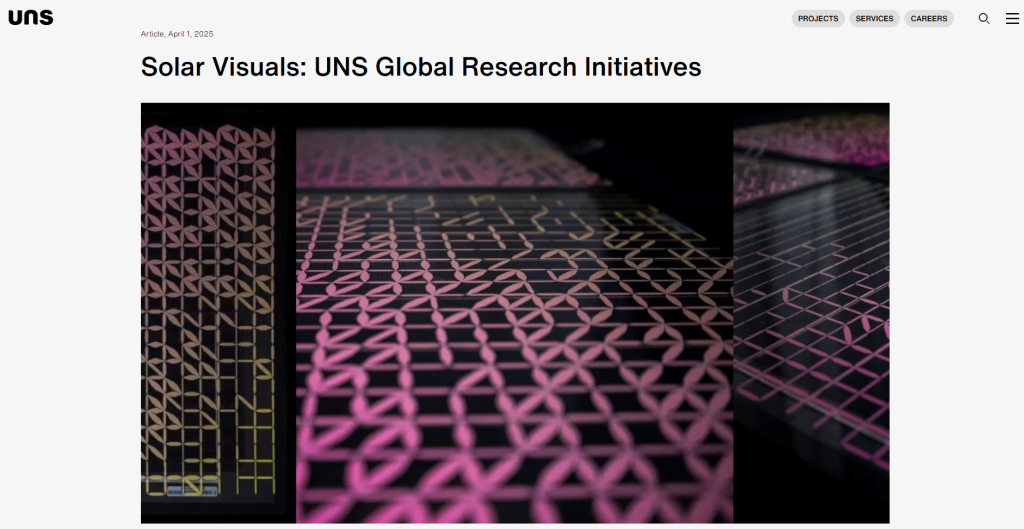
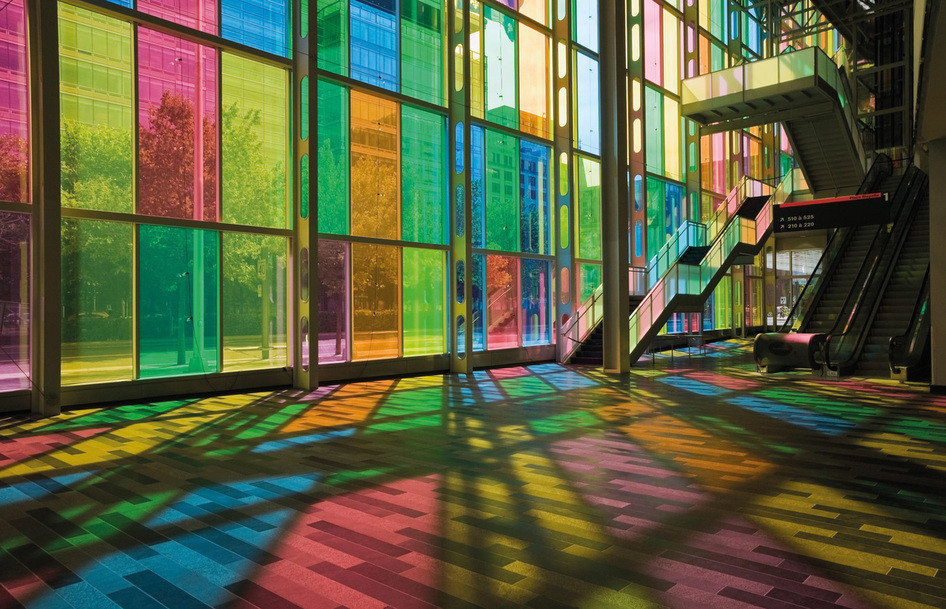
A leader in Building Integrated Photovoltaics (BIPV), this transparent glass filters out harmful UV and IR radiation while generating electricity, serving as a dual-purpose building skin for skylights and curtain walls.
Philips Bio-Light
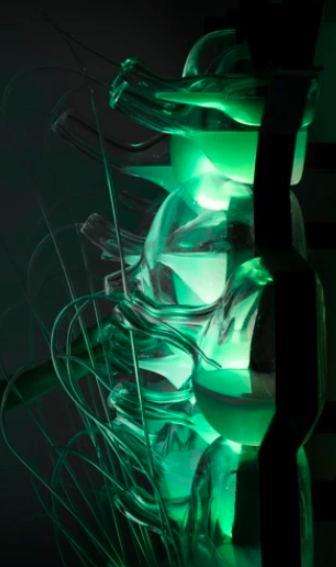
Philips Bio-Light is a conceptual lighting system from 2011 that uses bioluminescent bacteria to produce a soft green glow, eliminating the need for electricity.
It aligns with sustainable design by feeding the bacteria methane from household waste like composted kitchen scraps or bathroom solids via a bio-digester.
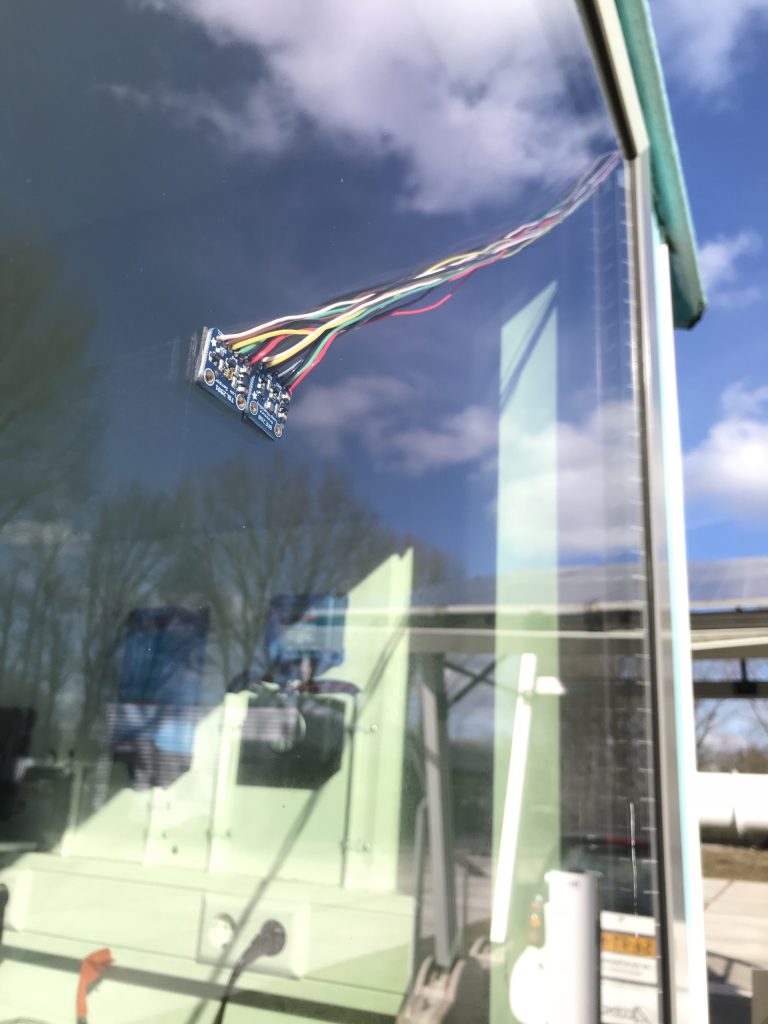
Physee Technologies
Physee Technologies is a Dutch company specializing in innovative glass solutions for sustainable buildings. Their technologies transform ordinary glass into energy-generating and smart components without sacrificing aesthetics.
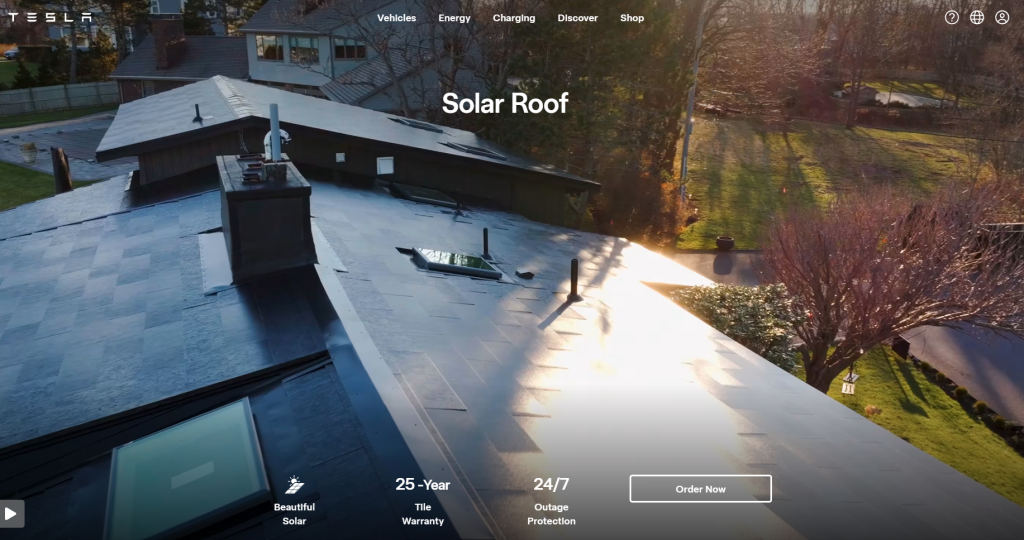
Tesla Solar Roof: Invisible Power
Replacing traditional roofing materials entirely, these glass tiles house solar cells that are invisible from the street. They provide a durable, aesthetic roof that generates clean energy without the visual clutter of rack-mounted panels.
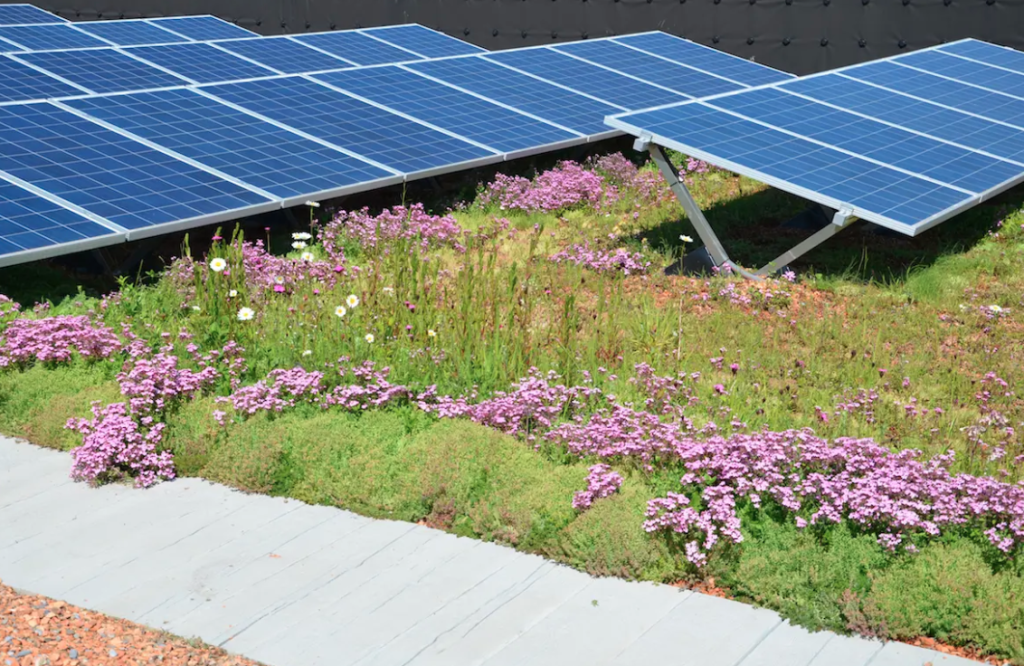
Bauder: The Biosolar Roof
This system combines photovoltaics with green roofing. The vegetation cools the solar panels, increasing their output efficiency, while the panels provide shade that creates diverse micro-habitats for flora and fauna.
BioFriend: Safe Antimicrobial Defense
Moving away from toxic heavy metals, this technology offers a non-leaching antimicrobial solution. It creates a surface that physically disrupts bacterial cell walls, providing safe, long-lasting protection without releasing harmful substances into the environment
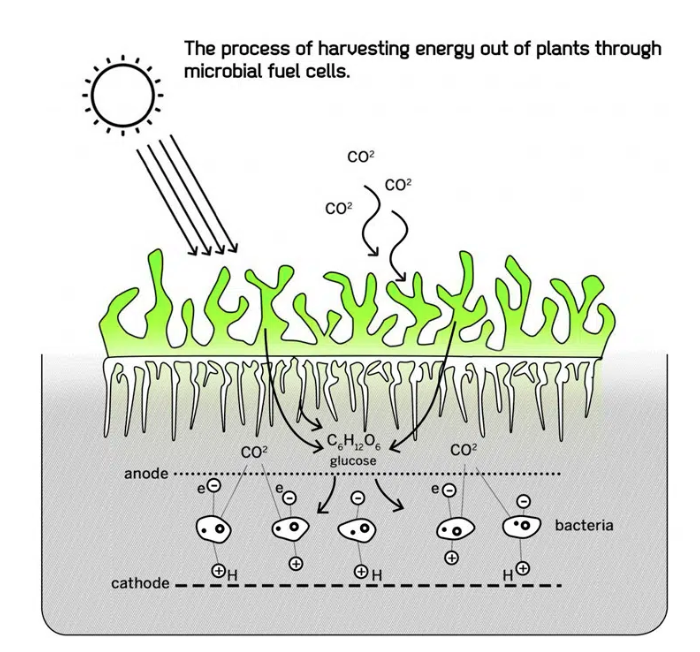
Solar Ivy
Solar Ivy is an innovative photovoltaic system developed by Sustainably Minded Interactive Technology (SMIT), designed to mimic ivy leaves for building-integrated solar energy generation.
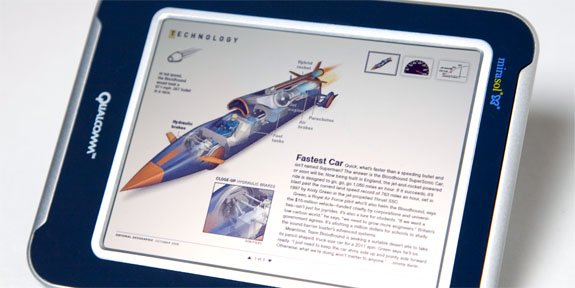
Mirasol screens
Mirasol screens refer to a reflective display technology developed by Qualcomm, using interferometric modulator (IMOD) elements based on MEMS (micro-electro-mechanical systems).
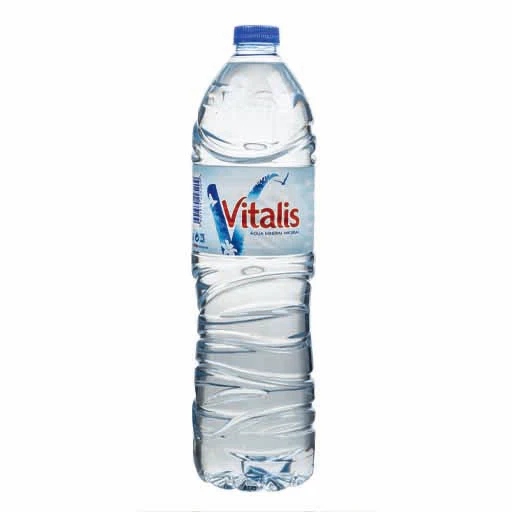
Vitalis PET bottle
This Vitalis PET bottle features a distinctive stress line design that optimizes material usage while maintaining structural strength.
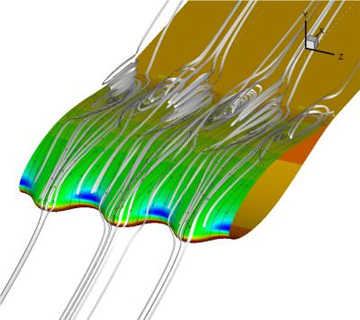
WhalePower
WhalePower wind turbine blades draw from biomimicry, mimicking the tubercles—bumpy leading-edge structures—on humpback whale flippers to boost efficiency.
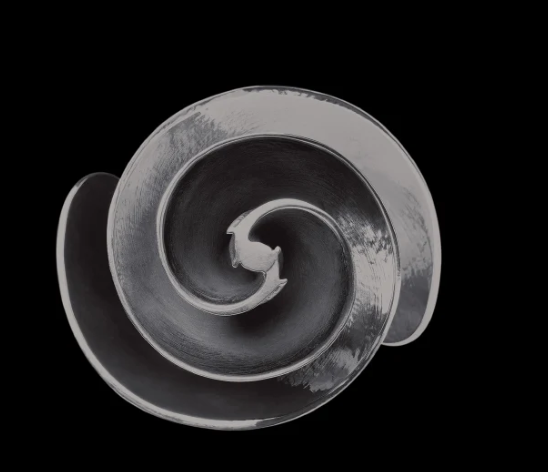
Lily PAX Water Rotor
The Lily PAX Water Rotor, also known as the Lily Impeller, is a patented biomimetic mixer impeller developed by PAX Scientific (now PAX Water Technologies) for efficient water circulation in storage tanks.
ecoLogicStudio: Algae Architecture
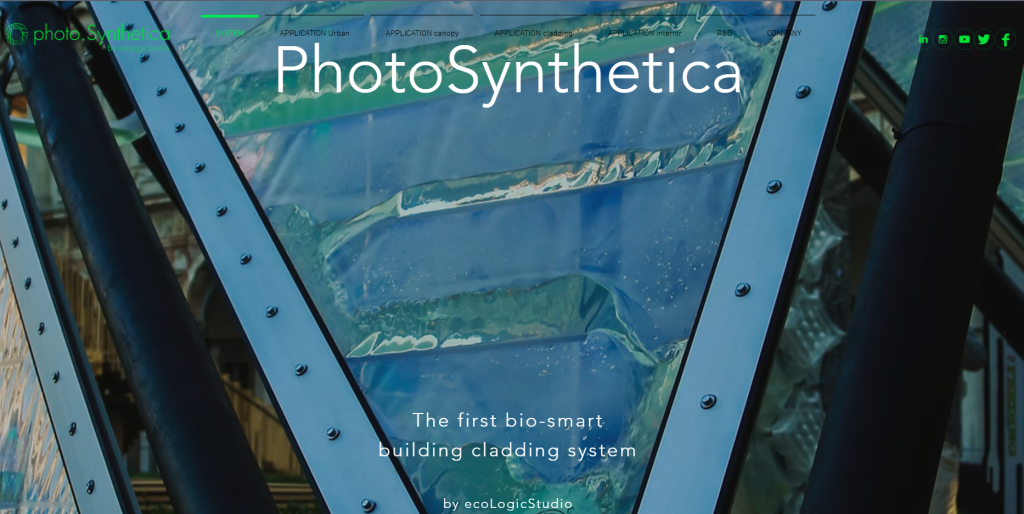
This system integrates living microalgae cultures into building facades via PhotoBioReactors. It actively captures carbon dioxide from city air to produce biomass for energy, effectively turning buildings into living power plants.
BioSolarLeaf
BioSolarLeaf, developed by Arborea, represents an innovative “bionic leaf” technology that enhances photosynthesis using microalgae to produce sustainable biomass and purify air.
ORNILUX
ORNILUX is a UV-reflective bird-safe glass developed by Arnold Glas (now under arcon) to prevent bird collisions with windows and facades.

Sharklet: Bacteria-Resistant Texture
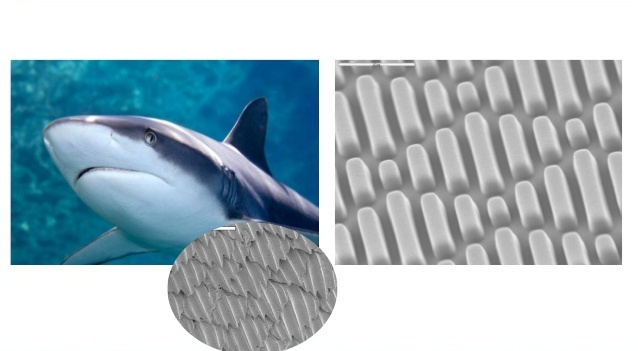
Modeled after the microscopic diamond pattern found on shark skin, Sharklet is a surface technology that inhibits bacterial growth purely through physical texture, eliminating the need for antibiotics or harsh cleaning chemicals.
GreenField textile coatings
GreenField textile coatings refer to sustainable, eco-friendly finishing technologies applied to fabrics, often emphasizing water repellency, durability, and reduced environmental impact without perfluorinated chemicals (PFCs).
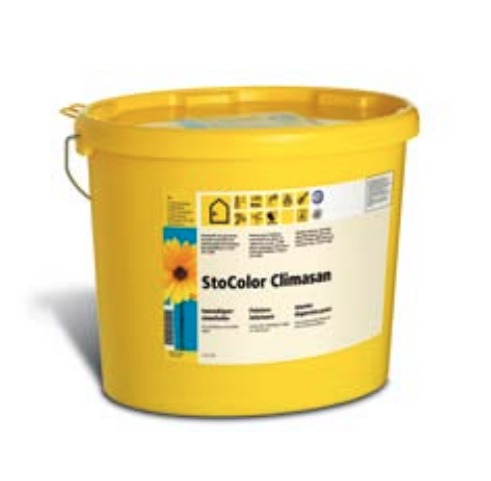
StoColor Climasan
The product is an innovative photocatalytic interior paint from Sto that purifies indoor air by breaking down odors and pollutants using standard room lighting, without needing sunlight.
StoColor Lotusan
The paint’s Lotus-Effect® Technology creates a microstructured surface with a contact angle of about 140°, making it highly water-repellent and resistant to mold, mildew, algae, and UV fading.

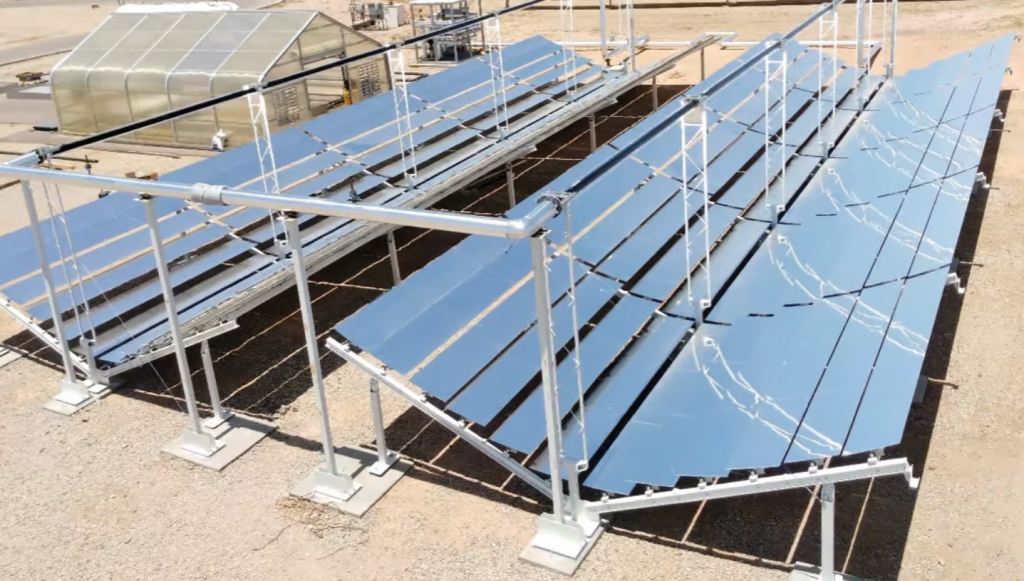
Concentrated Urban Photovoltaics
CU-PV, or Concentrated Urban Photovoltaics, adapts concentrator photovoltaic (CPV) technology for dense urban settings, using lenses or mirrors to focus sunlight onto high-efficiency solar cells while addressing space and shading constraints in cities.
StudioMobile
StudioMobile, founded by Italian architects Antonio Girardi and Cristiana Favretto, champions urban gardening through innovative, mobile, and self-sustaining agricultural prototypes that activate underused urban spaces.